
Tulum: Things to Do in Tulum The Complete Travel Guide
Planning things to do in Tulum, Mexico? This local-style guide covers the best time to visit, top cenotes and ruins, local food, customs, and insider tips for 2026.
Tulum Holidays
Introduction to Tulum Holidays
Tulum splits neatly into two personalities: Tulum Pueblo, the original town with taco stands and local life, and Tulum Playa, the palm-lined Hotel Zone strip of boutique hotels and beach clubs a few kilometers away. Among the best things to do in Tulum are climbing through Maya ruins perched directly on a clifftop over the Caribbean, swimming through cenotes that form part of the longest known underwater cave system on Earth, and drifting by boat through a UNESCO biosphere reserve where the jungle meets the sea. It's bohemian in style and increasingly upscale in price, which makes it a slightly different trip than Cancún just down the coast — less about the resort, more about what's just outside your hotel door.
Quick-Facts Snapshot
- Best time to visit: November through April (dry season, minimal rain, though January–March brings the biggest crowds)
- Ideal trip length: 4–5 days for ruins, cenotes, and beach time; 7 days if adding Sian Ka'an or Coba without rushing
- Nearest airport: Cancún International Airport (CUN), about 1.5–2 hours by road; Tulum's own smaller international airport (TQO) also has a growing number of North American and European flights, about 30 minutes from town
- Local currency & budget: Mexican peso (MXN); Tulum runs noticeably pricier than Cancún or Playa del Carmen — budget 1,500–2,500 MXN/day mid-range, more if staying in the beachfront Hotel Zone
- Language: Spanish; English is common in the Hotel Zone and tourist restaurants, less so in Tulum Pueblo and with colectivo drivers
- Time zone: Eastern Standard Time (UTC-5), no daylight saving
Getting There & Getting Around
Most travelers still fly into Cancún International Airport and continue overland, a drive of roughly 1.5 to 2.5 hours depending on traffic and exact destination in Tulum. From the airport you have four realistic options: a private transfer (comfortable, direct, typically 100–150 USD for the vehicle, not per person), a shared shuttle (cheaper, with a few stops along the way), the ADO bus (a reliable, budget-friendly option running from the airport to Tulum's town-center station, around 400 MXN), or a rental car if you want flexibility for cenote and ruin day trips. Note that Uber does not operate in this part of the Riviera Maya, so app-based rideshares aren't an option once you land.
Tulum's own international airport (TQO), roughly 20 kilometers outside town, has been steadily adding direct flights from North America and Germany, and cuts the transfer down to about 30 minutes — worth checking if it serves your route. The Tren Maya rail line also now connects Tulum with Cancún, Chichén Itzá, and Playa del Carmen for travelers who'd rather skip the road entirely.
Once you're in town, Tulum Pueblo is compact and walkable, but the beach strip is long and better covered by bike (rentals are available all over town) or colectivo — shared white vans with routes marked on the windshield that run frequently between the pueblo, the ruins, and the beach zone for a few dozen pesos. Taxis fill the gaps but should be negotiated before you get in, since Tulum doesn't use meters.
Best Time to Visit
Best Time to Visit
November through April is the dry season and generally the best time to visit Tulum, with the most reliable sunshine and lowest rain risk. Within that window, January through March is also peak tourist season, meaning fuller cenotes, busier ruins, and higher hotel rates — if you want the dry-season weather with a bit more breathing room, aim for November, early December, or April.
May through October is the rainy season, building toward the wettest and stormiest stretch in September and October, which also coincides with the higher end of hurricane risk. The upside: this period brings noticeably thinner crowds, better hotel value, and — starting in May — lobster season, plus whale shark season kicking off in June with day trips available to nearby Isla Holbox. August in particular tends to be the quietest month of the year, ideal if you want cenotes and restaurants without the lines.
A few calendar events worth planning around: the Zamna Festival, an electronic music festival typically held in Tulum's jungle in mid-January, and Día de los Muertos celebrations in late October and early November. Holy Week (Semana Santa, usually April) brings a sharp spike in domestic Mexican tourism and busier roads, so book well ahead if your trip lands during that week.
Top Places to Visit
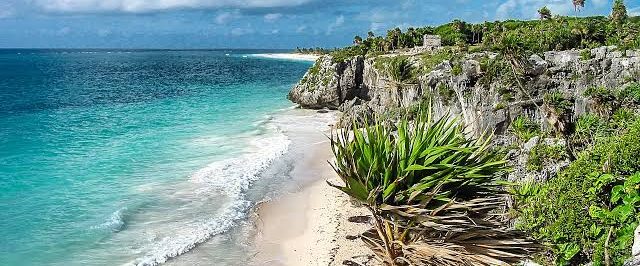
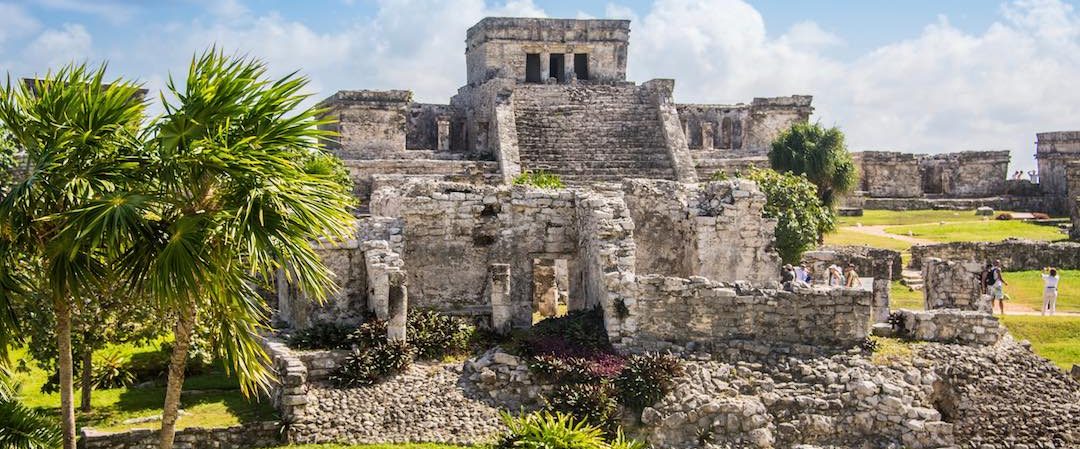
Tulum Ruins (Zona Arqueológica de Tulum) — The clifftop Maya port city that gives the town its name, with the Caribbean as a backdrop rather than jungle, unlike most Yucatán ruin sites. Arrive at opening, around 8 a.m., both to beat the heat and the tour bus crowds that build steadily through the morning; the small beach at the base of the ruins is a nice reward after the walk.
Gran Cenote — The default first cenote for most visitors, a mix of open sinkhole and shaded cavern about 3 kilometers from town, with clear water, resident turtles, and a short cavern swim-through that doesn't require diving certification. It's also one of the busiest, so aim for opening at 8 a.m. or after 3 p.m. to avoid the 11 a.m.–2 p.m. peak.
Cenote Calavera (Temple of Doom) — A smaller, less polished cenote near Gran Cenote, entered either by an 8-foot jump into the water or a rustic ladder. It draws far fewer tour groups and rewards travelers who don't mind a rougher setup than the more manicured cenotes.
Cobá Ruins — A sprawling, still-partly-jungle-covered Maya city about 45 minutes from Tulum, historically home to tens of thousands of people, and home to Nohoch Mul, one of the few pyramids in the region still open for visitors to climb. The site is large enough that renting a bike at the entrance (roughly 65 MXN) is worth it rather than walking the whole complex.
Sian Ka'an Biosphere Reserve — A UNESCO World Heritage site beginning right where the Tulum Hotel Zone ends, covering over 5,000 square kilometers of wetlands, lagoons, and coastal forest. Boat tours (roughly 80–120 USD per person) drift you through Maya-built canals into lagoons where manatees, dolphins, and hundreds of bird species live; the Muyil entrance offers a cheaper, more independent way in, with free-entry ruins connected directly to the canal system by kayak.
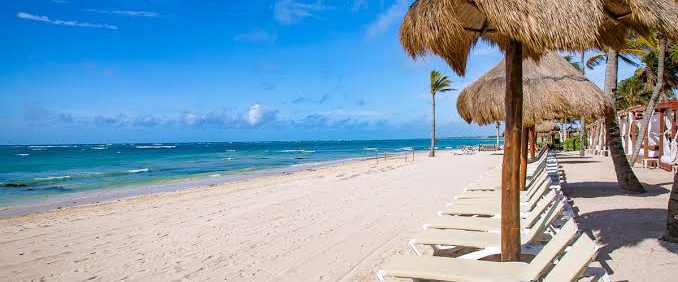
Playa Paraíso — The best of Tulum's public beaches, with soft white sand and genuinely turquoise water, useful to know since most of the coastline is otherwise blocked off by hotel and beach club frontage. Go early to claim shade under the palms before beach clubs nearby fill their loungers.
Kaan Luum Lagoon — A quieter, largely local-frequented lagoon just outside town, shallow enough for wading and floating almost everywhere except the roped-off central cenote, which drops to over 260 feet and is reserved for certified divers. Sunscreen of any kind is prohibited here, so bring a rash guard and sun hat instead.
Local Food & Must-Try Dishes
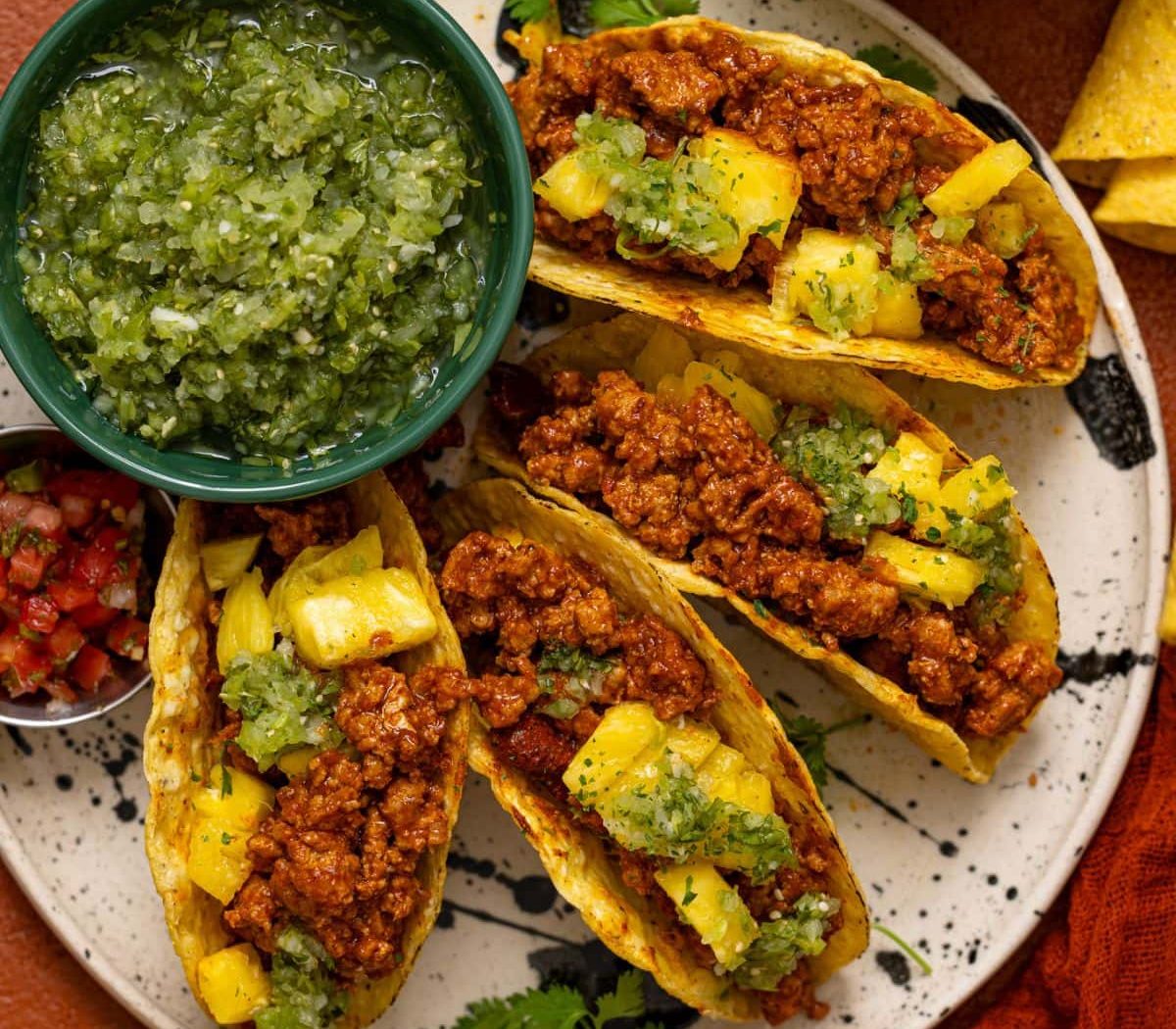
Al pastor tacos — Thin, marinated pork sliced from a vertical spit and served with pineapple, onion, and cilantro on small corn tortillas — one of the most reliable, inexpensive meals in Tulum Pueblo.
Panuchos and salbutes — Fried corn tortillas topped with beans, shredded chicken or turkey, pickled onion, and cabbage or avocado; a Yucatán staple found at pueblo taquerías rather than beachfront restaurants.
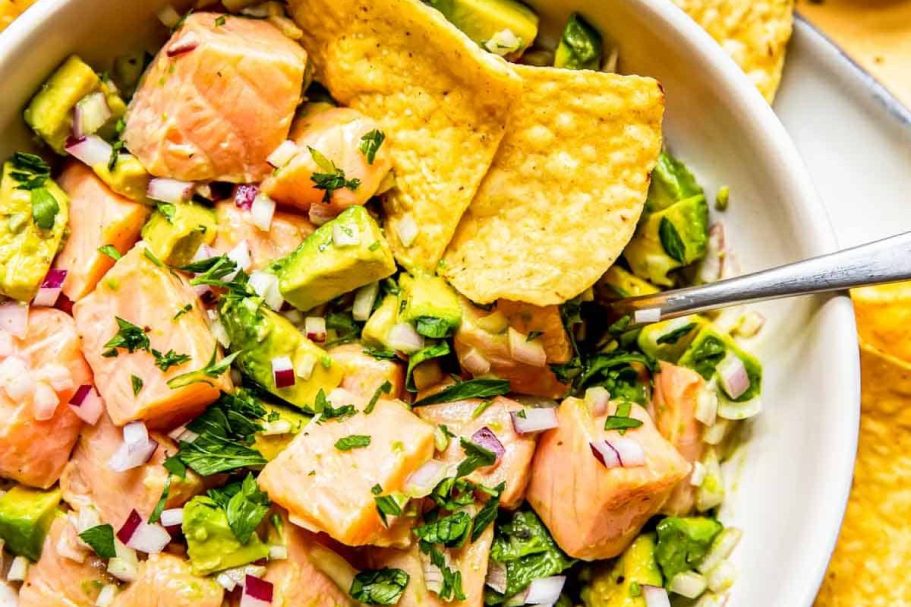
Ceviche — Raw seafood cured in citrus with onion and cilantro, widely available and particularly good near the coast, where the fish is often caught the same day.
Cochinita pibil — Slow-roasted, achiote-marinated pork, the signature dish of the wider Yucatán region, usually served as tacos or with rice; look for it at family-run spots in Tulum Pueblo rather than hotel-zone menus for a more traditional version.
Grilled lobster — A May-through-August specialty tied to the local lobster season, typically served simply grilled with butter at seaside restaurants.
Marquesitas — A crispy rolled crepe filled with Nutella and cheese, a classic Yucatán street-food dessert sold from carts around the pueblo in the evening.
For dietary needs: Tulum's wellness-focused hospitality scene means vegetarian, vegan, and gluten-free options are unusually well represented for the region, particularly at cafés catering to the yoga and retreat crowd.
Mexican greetings are typically a handshake in more formal settings and a light cheek kiss between women or male-female pairs who know each other; a simple "buenos días" before a request is appreciated even in tourist-heavy spots. Tipping is customary — 10–15% at restaurants, small amounts for tour guides and housekeeping. Cash remains essential in Tulum even though it has a polished, upscale feel: taxis, cenote entrances, smaller cafés, and markets are frequently cash-only, so plan to withdraw pesos from a bank-affiliated ATM rather than relying on cards throughout the trip.
A few useful phrases: "Buenos días" (good morning), "¿Cuánto cuesta?" (how much does it cost), "La cuenta, por favor" (the check, please), and "Está muy rico" (it's delicious).

Insider Tips
- Decide upfront whether you want to stay in Tulum Pueblo (more affordable, closer to authentic food, a bike ride from the beach) or Tulum Playa (beachfront, pricier, walkable to beach clubs) — splitting a longer stay between both is common.
- Sunscreen is banned in cenotes across the region, including reef-safe formulas — wear a rash guard instead, or you may be asked to rinse off before entering.
- Cenotes are least crowded right at opening (around 8 a.m.) or after 3 p.m.; midday is when tour buses arrive in bulk.
- Book beachfront hotels months ahead if traveling in peak season (December–March), since Tulum's popularity has significantly outpaced its room supply in recent years.
- Watch for a common airport scam where someone claims your pre-booked transfer was cancelled to steer you toward a pricier option — confirm your driver's identity via uniform or signage before getting in any vehicle.
- Renting a bike in town is often more practical than taxis for reaching nearby cenotes and the ruins, and considerably cheaper.
- If snorkeling in the ocean, be aware that sargassum seaweed can affect shoreline conditions, particularly April through August — cenotes are a reliable backup for clear-water swimming regardless of sargassum season.
Suggested Itinerary Snapshot
Day 1: Arrive, settle in, evening tacos in Tulum Pueblo Day 2: Tulum Ruins at opening, beach time at Playa Paraíso, Gran Cenote in the afternoon Day 3: Full-day Sian Ka'an boat tour or Cobá ruins with a cenote stop on the way back Day 4: Slower day — Kaan Luum Lagoon, bike around town, dinner in the Hotel Zone Day 5: Optional day trip to Akumal for sea turtles, or departure
Frequently Asked Questions
Is Tulum safe for solo travelers? Tulum is generally safe in its main tourist areas, though standard precautions apply: avoid quiet streets late at night, skip unofficial jungle parties, and keep valuables secure while biking or at the beach.
How many days do you need in Tulum? Four to five days covers the ruins, a couple of cenotes, and one major day trip like Sian Ka'an or Cobá comfortably; a full week allows a slower pace with room for both.
Is Tulum expensive? Yes, relative to the rest of the Yucatán — Tulum has a reputation for higher prices than Cancún or Playa del Carmen, especially for beachfront hotels and restaurants, though Tulum Pueblo offers noticeably better value than the Hotel Zone.
Do I need to speak Spanish? No — English is widely spoken in the Hotel Zone and most tourist-facing businesses, though a few Spanish phrases help in Tulum Pueblo and with colectivo drivers.
How far is Tulum from Cancún? Roughly 130 kilometers, translating to about 1.5–2.5 hours by car or shuttle depending on traffic and your exact destination within Tulum.
Ready to Plan Your Trip?
Tulum rewards travelers willing to get out past the beach clubs — a sunrise walk through clifftop ruins, a swim through cavern light in a cenote, or a slow boat drift through Sian Ka'an is what actually explains the hype.
Tulum FAQ
Tulum, Mexico — FAQ
This FAQ section is written to sit alongside the Tulum destination guide — either as a dedicated FAQ page linking back to the full guide, or embedded directly at the bottom of it. Each answer is written in 2–3 concise, self-contained sentences so it can double as featured-snippet and FAQ-schema content for Google and AI search engines.
Is Tulum safe for solo travelers? Tulum is generally safe in its main tourist areas, though standard precautions apply: avoid quiet streets late at night, skip unofficial jungle parties, and keep valuables secure while biking or at the beach. Sticking to well-reviewed cenotes, tour operators, and transport options rather than unmarked or unofficial services is also worth doing.
How many days do you need in Tulum? Four to five days covers the ruins, a couple of cenotes, and one major day trip like Sian Ka'an or Cobá comfortably. A full week allows a slower pace, with room to add Akumal for sea turtles or a side trip to Valladolid without feeling rushed.
Is Tulum expensive? Yes, relative to the rest of the Yucatán — Tulum has a reputation for higher prices than Cancún or Playa del Carmen, especially for beachfront hotels, beach clubs, and restaurants in the Hotel Zone. Tulum Pueblo offers noticeably better value for food and accommodation than the beach strip.
Do I need a visa to visit Tulum? Most visitors from the US, Canada, the UK, the EU, and Australia can enter Mexico visa-free for tourism, typically receiving up to 180 days on arrival, though requirements vary by nationality and can change. Always check current entry requirements with the Mexican consulate or your airline before booking.
Do I need to speak Spanish? No — English is widely spoken in the Hotel Zone and most tourist-facing restaurants and hotels, though a few Spanish phrases help in Tulum Pueblo and with colectivo drivers. Cenote and tour staff in more remote areas may have more limited English.
Is the water safe to drink in Tulum? Tap water is not recommended for drinking; bottled or filtered water is widely available at hotels, shops, and restaurants. Ice at established restaurants and hotels is generally made from purified water and considered safe, but it's worth confirming at smaller local spots.
What's the best area to stay in Tulum — Pueblo or Playa? Tulum Pueblo (the town) is more affordable, closer to authentic local food, and a short bike ride from the beach, while Tulum Playa (the Hotel Zone) puts you directly on the sand at a significantly higher price point. Many longer stays split time between both to get a mix of local life and beachfront convenience.
How do I get from Cancún to Tulum? The main options are a private transfer (comfortable and direct, roughly 100–150 USD for the vehicle), a shared shuttle, the ADO bus (budget-friendly, around 400 MXN), or a rental car, with the drive itself taking 1.5 to 2.5 hours depending on traffic and exact destination. Tulum's own smaller international airport (TQO) is also an option on some routes and cuts the transfer time to about 30 minutes.
Are cenotes safe, and do I need to book them in advance? Cenotes are generally safe for swimming and snorkeling, though some require a guide for cave sections or diving areas, and open-water swimmers should follow posted depth and current guidance. Popular cenotes like Gran Cenote don't typically require advance booking, but arriving at opening (around 8 a.m.) or after 3 p.m. avoids the midday crowds.
Is Tulum good for families? Tulum can work well for families, particularly with calmer beaches like Playa Paraíso, shallow lagoons like Kaan Luum, and cenotes that offer a genuinely different, kid-friendly activity from typical beach time. That said, its bohemian, wellness-retreat reputation and higher price point mean it's generally positioned more toward couples and small groups than large family resorts.
When should I avoid visiting Tulum? September and October bring the heaviest rain and highest hurricane risk of the year, and Holy Week (Semana Santa, usually in April) brings a sharp spike in domestic tourism and busier roads. If crowds are your main concern rather than weather, January through March is technically dry-season paradise but also Tulum's busiest and most expensive stretch.