
Cancun: Things to Do in Cancun The Complete Travel Guide
Planning things to do in Cancun? This local-style guide covers the best time to visit, top attractions, must-try dishes, customs, and insider tips for 2026.
Cancun Holidays
Introduction to Cancun Holidays
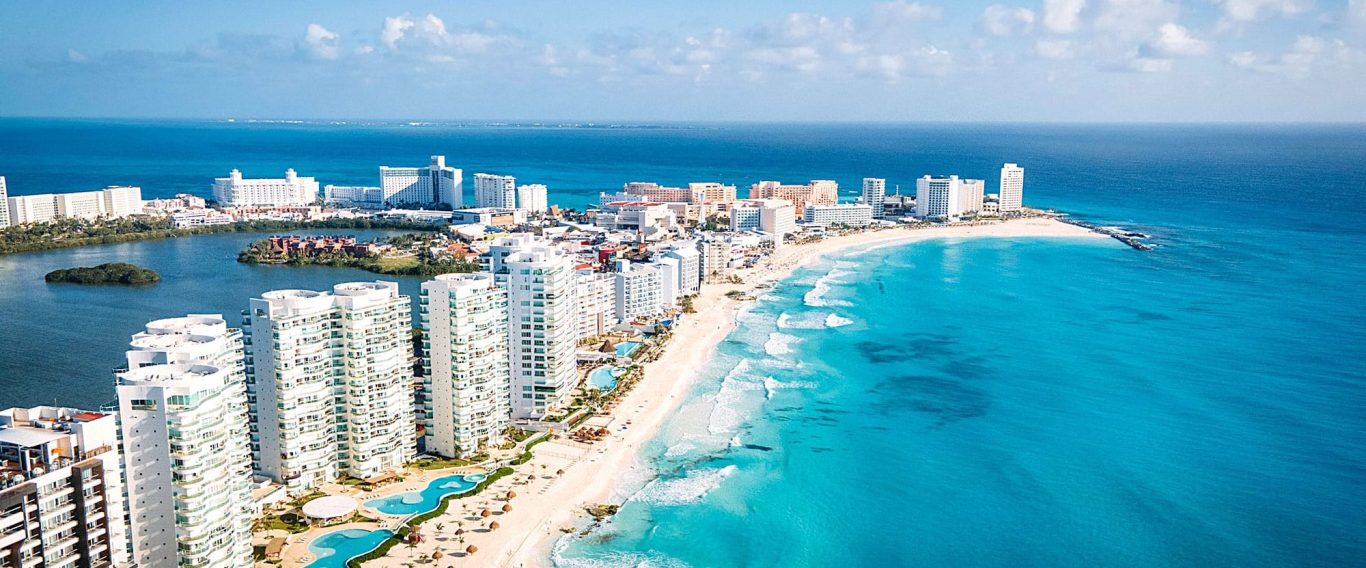
Cancún sits on the northeastern tip of the Yucatán Peninsula, and most first-timers only ever see the 22-kilometer strip of resorts known as the Hotel Zone. That's not a mistake exactly — the beaches there are genuinely some of the best in Mexico — but it's only half the story. Things to do in Cancun stretch well beyond the sand: Maya ruins scattered along the coast, cenotes hidden in the jungle, an island 20 minutes offshore with a completely different pace, and a downtown food scene most resort guests never find. This guide covers what's actually worth your time, when to go, what to eat, and the details that make the difference between a good trip and a great one.
Quick-Facts Snapshot
- Best time to visit: December through April (dry season, least sargassum, most stable weather)
- Ideal trip length: 5–7 days for the Hotel Zone plus one or two day trips; 10+ days if adding Isla Mujeres, Tulum, or Chichén Itzá overnight
- Nearest airport: Cancún International Airport (CUN) — roughly 4.5 hours from New York, 3.5 hours from Dallas, 2.5 hours from Miami, and 5.5 hours from Toronto
- Currency: Mexican peso (MXN); budget around 1,000–1,500 MXN/day for a mid-range trip outside all-inclusive costs
- Language: Spanish; English is widely spoken in the Hotel Zone and at resorts, less so in local markets and smaller towns
- Time zone: Eastern Standard Time (UTC-5), no daylight saving
Getting There & Getting Around
Cancún International Airport is Mexico's second-busiest, so flight options are plentiful from most major North American and European hubs. From the airport, you have three main options into town: a private transfer (around 25–45 USD, 20–30 minutes to the Hotel Zone), a shared shuttle (cheaper but with multiple stops), or an ADO bus, which is the budget option and drops you near downtown.
Once you're settled, the Hotel Zone itself is walkable in sections but spread out overall. The R1 and R2 public buses run the length of it for about 12 pesos a ride and are the easiest way to bounce between beaches, malls, and downtown without a car. Taxis are everywhere but don't use meters — agree on a price before you get in, or better, ask your hotel what the fair local rate should be. If your plans include Chichén Itzá, Ek Balam, Puerto Morelos, or several cenotes in one trip, renting a car is worth it and will save hours of waiting on tour pickups.
Best Time to Visit
Best Time to Visit
Cancún's weather splits into two seasons rather than four. December through April is the dry season and generally considered the best time to visit: low humidity, minimal rain, and the clearest water of the year, with the coolest and most comfortable stretch falling between December and February. The tradeoff is that this is also peak season, so hotel prices and crowds are at their highest, especially around Christmas, New Year's, and spring break in March.
May through November is the wet season, and it includes hurricane season, which officially runs June 1 to November 30 with the highest risk in September and October. A direct hurricane hitting Cancún is uncommon, but afternoon rain showers are frequent in summer and early fall — usually brief, often clearing by evening. The upside of visiting in these months is real: hotel rates can drop 40–60% in September and October, whale shark season runs roughly June through September, and sea turtles nest at nearby Akumal from May through October. If you're traveling during hurricane season, travel insurance with weather coverage is a smart, inexpensive safeguard.
One more seasonal factor: sargassum, a brown seaweed that washes onto some beaches, tends to build up from April through August and is least present from November through March. Most Hotel Zone resorts clear their beaches daily, but if you want a guaranteed sargassum-free swim, Isla Mujeres' north-facing beaches are usually clear year-round.
Top Places to Visit
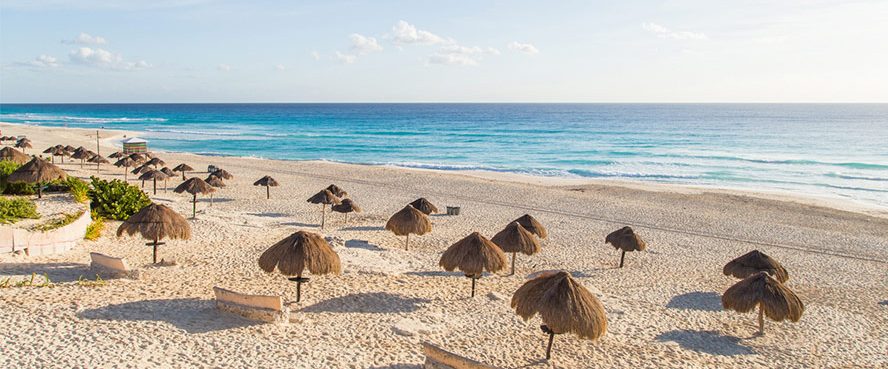
Playa Delfines — Cancún's largest free public beach and the classic photo-op spot with the "Cancún" letters. Go early morning to beat the crowds and get parking; it's also one of the few Hotel Zone beaches with real waves, popular with bodyboarders.
Isla Mujeres — A 7-kilometer island a 20–25 minute ferry ride from Puerto Juárez (90–200 MXN round trip). Rent a golf cart (roughly 350–500 MXN/day) to circle the island in under an hour, swim at Playa Norte, and snorkel at Garrafón Reef Park. Catch the first ferry of the day if you want the beach to yourself before tour groups arrive.
Chichén Itzá — One of the New Seven Wonders of the World, about 2.5–3 hours from Cancún by car or guided tour. Arrive as close to opening as possible; by mid-morning, tour buses fill the site and the heat becomes intense. Most guided tours pair it with a stop at a cenote and the colonial town of Valladolid, which is worth the extra time.
MUSA (Underwater Museum of Art) — Over 500 sculptures submerged off the coast near Isla Mujeres and Punta Nizuc, viewable by snorkeling, diving, or glass-bottom boat. A genuinely unusual way to combine art and reef exploration in one outing.
Cenote Ik Kil — The most photographed cenote in the region, just 3 kilometers from Chichén Itzá, with vine-draped walls dropping to turquoise water. Arrive before 11 a.m. to avoid the worst crowds, or consider quieter alternatives like Cenote X'Keken and Cenote Samula near Valladolid if you'd rather skip the lines entirely.
Museo Maya de Cancún — A compact anthropology museum in the Hotel Zone with roughly 3,500 Maya artifacts, attached to the small San Miguelito ruins onsite. A good, low-effort way to add context before visiting the bigger archaeological sites.
Isla Contoy — A protected national park island capping visitors at 200 people a day, roughly 30 kilometers north of Isla Mujeres. Book in advance; the payoff is near-empty beaches and excellent snorkeling at Ixlaché Reef.
Local Food & Must-Try Dishes
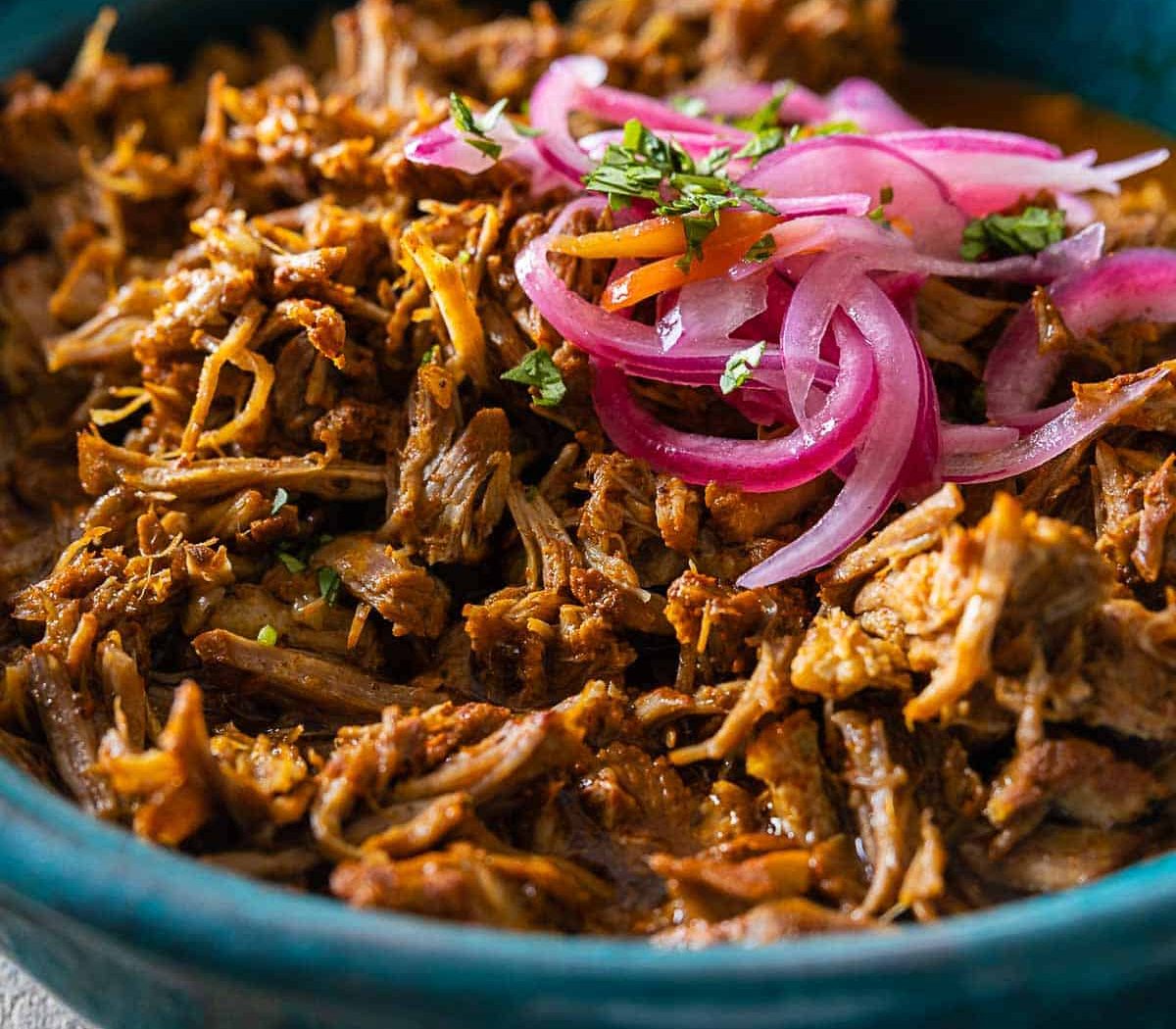
Cochinita pibil — The signature dish of the Yucatán: pork marinated in achiote and sour orange, traditionally slow-roasted underground in banana leaves until it falls apart. Order it as a taco or torta with pickled red onion. Mercado 23 and the stalls around Parque de las Palapas downtown serve some of the most authentic versions.
Tikin xic — Whole fish, usually grouper or red snapper, marinated in achiote and sour orange and grilled in banana leaves. It's easier to find in Puerto Morelos or Isla Mujeres than in the Hotel Zone itself.
Panuchos and salbutes — Fried corn tortillas topped with cochinita pibil, turkey, or chicken, lettuce, pickled onion, and habanero salsa. These are the everyday street-food staple; order three or four as a full meal.
Papadzules — Tortillas dipped in a pumpkin-seed sauce, filled with hard-boiled egg, and topped with tomato-habanero salsa — one of the oldest dishes on the peninsula, more common downtown than in resort restaurants.
Sopa de lima — A comforting lime-and-chicken soup with crisp tortilla strips, a good option if you want something lighter after a day in the sun.
Marquesitas — A crispy rolled crepe filled with Edam cheese and your choice of Nutella, caramel, or jam. Look for carts at night in Parque de las Palapas.
For dietary needs: black beans, avocado, and vegetable-based papadzules make solid vegetarian options, and habanero salsa (served on the side, not mixed in) means you can control spice level easily.
Local Customs, Etiquette & Cultural Tips
Mexicans generally greet with a handshake in business settings and often a light cheek kiss between women or male-female pairs who know each other. A simple "buenos días" or "buenas tardes" before diving into a request goes a long way, even in English-speaking tourist areas. Tipping is customary and expected: 10–15% at restaurants, small tips for tour guides and housekeeping, and rounding up for taxis. Meals tend to run later than in the US — lunch (comida) is often the largest meal, eaten mid-afternoon.
A few useful phrases: "Buenos días" (good morning), "¿Cuánto cuesta?" (how much does it cost), "La cuenta, por favor" (the check, please), and "Está muy rico" (it's delicious — always appreciated by whoever cooked it).


Insider Tips
- Base yourself near the northern Hotel Zone (close to Playa Caracol or Playa Tortugas) if you want quick ferry access to Isla Mujeres.
- Book tours upon arrival rather than online in advance where possible — local operators often beat online prices and you can check the weather forecast first.
- A Mexican SIM (Telcel or AT&T Mexico) from the airport or an OXXO convenience store is cheap and saves you from resort wifi dead zones.
- Avoid changing money at the airport; ATMs inside banks (not standalone street ATMs) generally offer better rates.
- For cenotes, bring biodegradable, reef-safe sunscreen — some sites won't let you swim without it, and regular sunscreen damages the underground ecosystem.
- Skip El Rey ruins if time is tight; check current status with your hotel, as access has been inconsistent, and prioritize Chichén Itzá or Ek Balam instead.
- Whale shark tours (July–September) sell out days ahead in peak season — book early if that's a priority.
Suggested Itinerary Snapshot
Day 1: Arrive, settle in, sunset at Playa Delfines Day 2: Isla Mujeres day trip — Playa Norte, golf cart loop, fresh fish lunch at the main square Day 3: Chichén Itzá, Cenote Ik Kil, and Valladolid on a guided day tour Day 4: Snorkel MUSA or the reef near Punta Nizuc, downtown Cancún for cochinita pibil and Mercado 28 Day 5: Beach recovery day, spa or lagoon activities if sargassum is present
Frequently Asked Questions
Is Cancun safe for solo travelers? The Hotel Zone and main tourist areas are generally safe and heavily policed, with the usual precautions (watch your drink, use licensed taxis, avoid flashing valuables) applying as they would anywhere. Downtown Cancún is also safe to explore during the day and evening.
How many days do you need in Cancun? Five to seven days covers the Hotel Zone beaches plus one or two day trips comfortably; ten or more days lets you add an overnight in Isla Mujeres or Valladolid without rushing.
Is Cancun expensive? It can be, especially in the Hotel Zone and during peak season (December–April), but eating and traveling like a local downtown, using public buses, and traveling in shoulder season (May or November) can cut costs significantly.
Do I need to speak Spanish? No — English is widely understood in resorts and tourist zones, though a few basic Spanish phrases are appreciated and useful downtown and at local markets.
Is Cancun worth visiting during hurricane season? Yes, for many travelers — direct hurricane strikes are rare, prices drop significantly, and it's whale shark and sea turtle season, though it's worth budgeting for the possibility of rain days and travel insurance.
Ready to Plan Your Trip?
Cancún rewards travelers who look past the resort strip, even by just one day trip. Whether that's a ferry to Isla Mujeres, a sunrise at Chichén Itzá, or a plate of cochinita pibil at a downtown market stall, the real character of the Yucatán is closer than most visitors realize.
Cancun FAQ
Cancun, Mexico — FAQ
Is Cancun safe for solo travelers? The Hotel Zone and main tourist areas are generally safe and heavily policed, with the usual precautions — using licensed taxis, watching your drink, avoiding flashing valuables — applying as they would anywhere. Downtown Cancún is also safe to explore during the day and evening, and it's where most locals actually spend their time.
How many days do you need in Cancun? Five to seven days is enough to enjoy the Hotel Zone beaches plus one or two day trips, such as Isla Mujeres or Chichén Itzá. Ten or more days allows you to add an overnight stay in Isla Mujeres or the colonial town of Valladolid without feeling rushed.
Is Cancun expensive? It can be, particularly in the Hotel Zone and during peak season from December through April, but costs drop significantly if you eat downtown, use public buses instead of taxis, and travel in shoulder season. All-inclusive resorts bundle most costs upfront, which can make budgeting easier even if the nightly rate looks high.
Do I need a visa to visit Cancun? Most visitors from the US, Canada, the UK, the EU, and Australia can enter Mexico visa-free for tourism, typically receiving up to 180 days on arrival, though requirements vary by nationality and can change. Always check current entry requirements with the Mexican consulate or your airline before booking, since rules are updated periodically.
Is the water safe to drink in Cancun? Tap water is not recommended for drinking in Cancún, even in resorts; stick to bottled or filtered water, which is provided in most hotels. Ice at reputable hotels and restaurants is generally made from purified water, but it's worth confirming at smaller local spots.
Is Cancun good for families? Yes — many Hotel Zone resorts are built specifically around family stays, with calm swimmable beaches, kids' clubs, and shallow lagoon areas away from the open surf. Isla Mujeres is also a popular family day trip thanks to its calmer water and manageable size.
What's the best area to stay in Cancun? The northern Hotel Zone (near Playa Caracol or Playa Tortugas) offers calmer water and the shortest ferry ride to Isla Mujeres, while the southern Hotel Zone tends to have larger resorts and more space. Downtown Cancún is the budget-friendly option with better access to local food, at the cost of being farther from the main beaches.
Do I need to rent a car in Cancun? Not necessarily — the R1 and R2 public buses cover the length of the Hotel Zone cheaply, and taxis are widely available for shorter trips. A rental car becomes worthwhile if your itinerary includes several independent day trips to cenotes, Chichén Itzá, or Puerto Morelos in a short window.
When is hurricane season in Cancun, and should I avoid it? Hurricane season runs June 1 through November 30, with the highest risk in September and October, though a direct hit on Cancún itself is relatively uncommon in any given year. Many travelers visit anyway for the lower prices and quieter beaches, pairing the trip with travel insurance that covers weather-related disruptions.
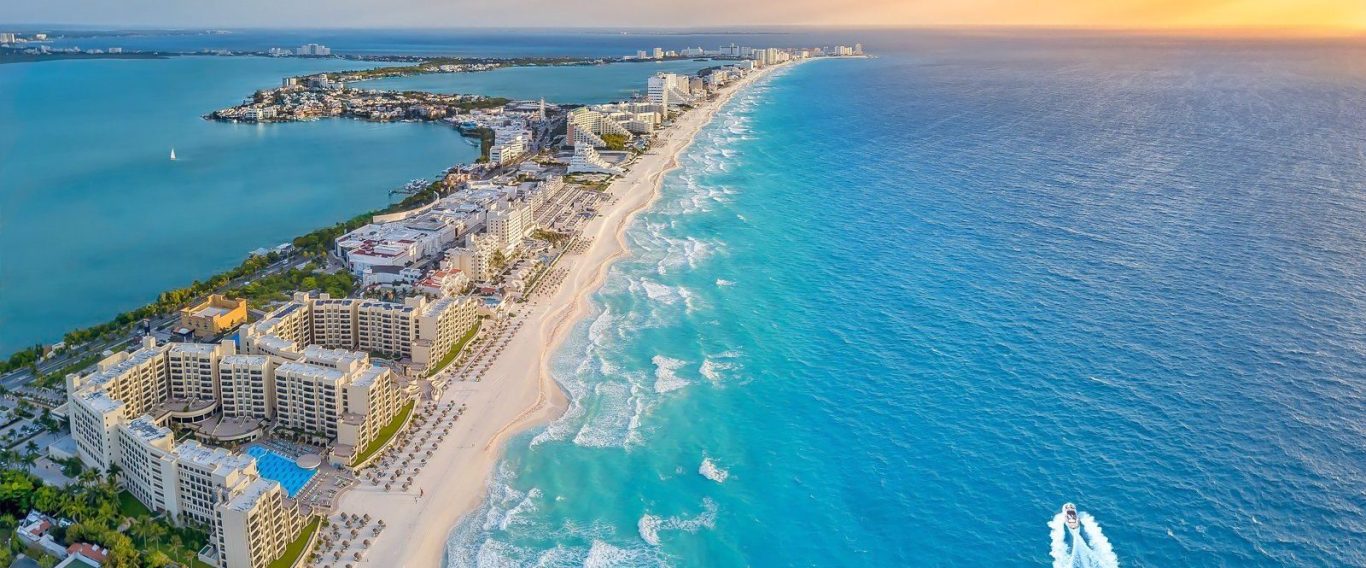
Is Cancun walkable, or do I need transport for everything? Sections of the Hotel Zone are walkable, especially along the beach and between neighboring resorts, but the strip as a whole spans over 20 kilometers, so getting from one end to the other on foot isn't practical. Buses and taxis fill that gap easily and cheaply.