
Antalya: Things to Do in Antalya The Complete Travel Guide
Planning things to do in Antalya? A local-level guide to Turkey's Turquoise Coast — where to go, what to eat, and when to visit.
Antalya Holidays
Introduction to Antalya Holidays
A City That Doesn't Choose Between History and the Sea
Antalya sits where the Taurus Mountains meet the Mediterranean, and it never quite decides whether it wants to be a beach resort or an open-air museum — so it's both. If you're wondering what to do in Antalya beyond the obvious sunbed-and-sea version of a Turkish holiday, the answer is: walk through 2,000-year-old Roman gates in the morning, eat a bean salad invented two streets away for lunch, and watch the sun drop behind limestone cliffs by evening. Most first-time visitors land expecting a resort strip and are surprised to find a working old town, a serious food culture, and Roman ruins scattered across the surrounding countryside like they're nothing special. Locally, none of it feels like a checklist — it's just what a few days here looks like.
Quick-Facts Snapshot
- Best time to visit: April–June and mid-September–October (warm, dry, thinner crowds)
- Ideal trip length: 3–4 days for the city itself; 7+ days if you're combining it with the wider Turquoise Coast
- Getting there: Fly into Antalya Airport (AYT). Direct flights run around 4–4.5 hours from London, and there are direct or one-stop connections from most major European cities. From North America, you'll typically connect through Istanbul.
- Currency & daily budget: Turkish Lira (₺). Roughly £70–90/day budget, £140–190/day mid-range, £300+/day luxury (per person, excluding flights)
- Language: Turkish. English is widely understood in hotels, restaurants, and tourist sites; less so in local neighborhoods and markets
- Time zone: Turkey Time (TRT), UTC+3 year-round — no daylight saving changes
Getting There & Getting Around
Antalya Airport (AYT) is Turkey's busiest after Istanbul, and it's built for tourist volume — international flights land at Terminal 2, domestic at Terminal 1, about 13 km from the city center. Direct flights from London take roughly 4–4.5 hours; from Frankfurt, Berlin, or Amsterdam, expect 3–3.5 hours. Coming from North America, you'll almost always route through Istanbul, adding a connection.
From the airport, the Antray tram (line T1) runs from around 06:00 to 23:00 and gets you to the Kaleiçi/city-center area in about 45 minutes for a couple of dollars — cheap, but slower than it sounds because of stops. A metered taxi to the old town takes 15–20 minutes and costs roughly £12–20 depending on traffic. Havaş shuttle buses split the difference on price and time. If you're landing after midnight, when the tram and public buses stop running, book a private transfer in advance or plan on a taxi rank at arrivals.
Within the city, Kaleiçi and the seafront are entirely walkable — in fact, cars are largely restricted in the old town's narrow lanes. For day trips to Roman sites like Perge or Aspendos, a rental car or an organized tour is the practical choice, since public transport thins out fast once you leave the city.
Best Time to Visit
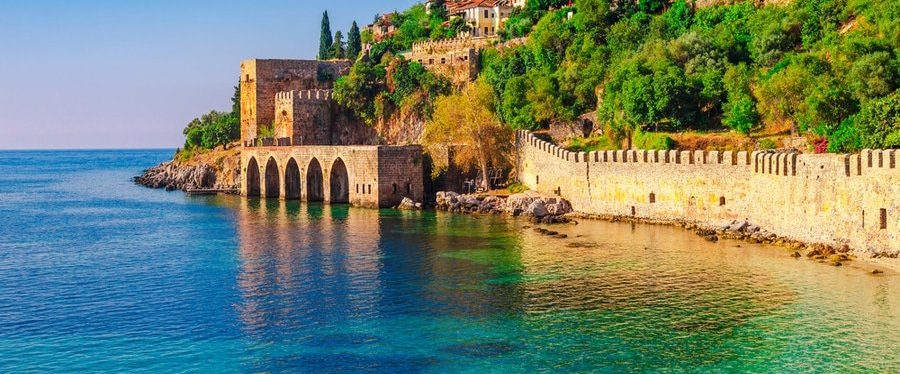
Spring (April–June) is the sweet spot for most travelers: daytime highs climb from the high-60s°F into the mid-80s°F, rain becomes rare after April, and the Taurus foothills are still green. May brings the Antalya International Theatre Festival and a sand-sculpture festival at Lara Beach.
Summer (July–August) is peak season and peak heat, regularly pushing past 90°F with thick humidity — ideal for beach time at Konyaaltı or Lara, but midday sightseeing at exposed ruins like Perge becomes genuinely uncomfortable. Book accommodation well ahead; prices and crowds both spike.
Autumn (September–October) rivals spring for the best overall balance — the sea stays warm into October, crowds thin noticeably after early September, and the Aspendos Opera and Ballet Festival wraps up its season. Many locals and repeat visitors call this the best time to visit Antalya precisely because you get beach weather without beach-season crowds.
Winter (November–March) is mild by European standards (daytime highs around 60°F) but wetter, with January the rainiest month. It's a legitimately good time for ruin-hopping without tour buses and for cheap flights and hotel rates, just not for swimming.
Top Places to Visit
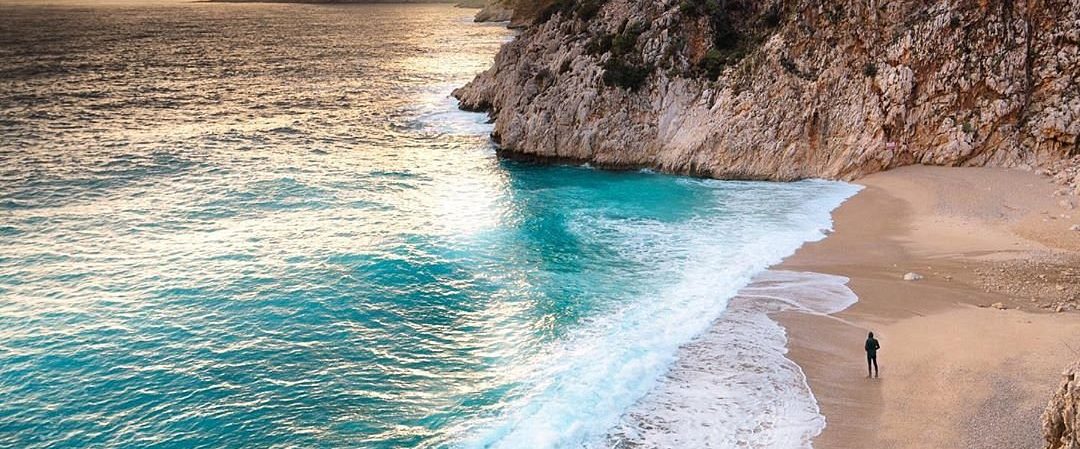
Kaleiçi (Old Town) — The walled historic core, all cobblestone lanes, Ottoman wooden houses, and a working marina. Insider tip: arrive before 10am, before the cruise-ship crowds and tour groups fill the alleys. Budget half a day.
Hadrian's Gate — A triple-arched Roman gateway from 130 AD marking Kaleiçi's edge, still showing chariot-wheel grooves in the stone. Free to enter, best photographed in early morning light. 15–20 minutes.
Düden Waterfalls (Upper & Lower) — Two separate falls: the Upper, set in a forested park where you can walk behind the curtain of water through a natural cave; the Lower, which drops straight into the Mediterranean and is best seen from a harbor boat tour. Insider tip: most people only visit one — if you can only pick one, locals tend to favor the Upper for atmosphere. Half a day including travel.
Antalya Marina & Harbour — The old Hellenistic-era port, now lined with cafés and boat operators running short coastal cruises. A good sunset spot; take the glass elevator down from Kaleiçi rather than the steep steps if you're short on time. 1–2 hours.
Aspendos Theatre — One of the best-preserved Roman theaters anywhere, still hosting live performances. About 45 minutes from the city; combine with nearby Perge if you're renting a car. Half a day.
Perge — Sprawling Roman ruins — colonnaded streets, baths, a stadium — with far fewer visitors than Aspendos. 30 minutes from central Antalya. 1.5–2 hours.
Konyaaltı Beach — A long pebble beach with a mountain backdrop and a genuinely local feel, as opposed to the resort-heavy Lara Beach further east. Good for an afternoon swim between sightseeing blocks.
Local Food & Must-Try Dishes
Tahinli Piyaz (Antalya-style piyaz) — The city's signature dish: a white bean salad dressed in a tahini-lemon-garlic sauce, topped with tomato, parsley, and hard-boiled egg. Unlike piyaz elsewhere in Turkey, this version counts as a main course, usually paired with şiş köfte. Look for small local köfte-piyaz specialists in residential districts rather than harbor-front restaurants.
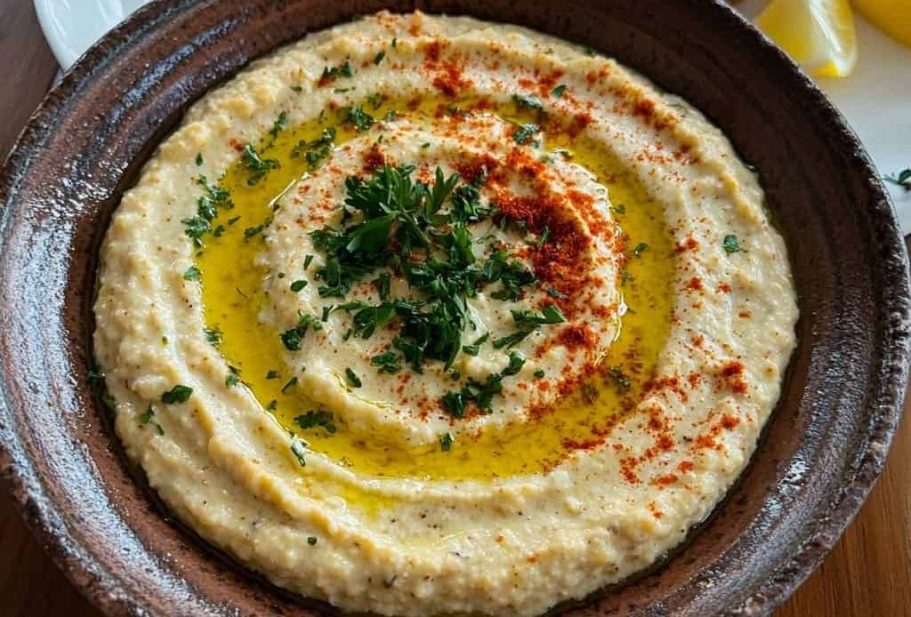
Hibeş — A tahini, lemon, garlic, and red-pepper dip unique to the Antalya region, served as a meze with bread or alongside grilled meat.
Şiş Köfte — Skewered minced-meat patties grilled over charcoal, almost always ordered alongside piyaz.
Kabak Tatlısı (tahini pumpkin dessert) — Pumpkin simmered in syrup and finished with tahini and crushed walnuts — Antalya's version leans richer than the standard Turkish rendition.
Gözleme — Thin griddled flatbread stuffed with spinach, cheese, or minced meat; widely available as street food and generally vegetarian-friendly if you ask for the cheese or spinach filling.
Vegetarians will find piyaz (without egg, on request), gözleme, and meze plates easy to navigate; sesame (tahini) appears constantly, worth flagging if you have an allergy.
Local Customs, Etiquette & Cultural Tips
Turkish hospitality runs warm and physical — a handshake is standard, and closer acquaintances may greet with a cheek kiss. Tipping isn't obligatory but is expected: 5–10% at restaurants (check whether service is already included), rounding up for taxis, and small cash for hotel staff or tour guides. Dress modestly when visiting mosques — shoulders and knees covered, and women should bring a scarf for their hair. Turkish coffee is thick and unfiltered, so let the grounds settle before the last sip. Basic phrases go a long way: Merhaba (meh-rha-bah, "hello"), Teşekkür ederim (teh-shek-kur eh-deh-rim, "thank you"), Lütfen (lewt-fen, "please"), Nerede? (neh-reh-deh, "where is?"), and Hesap, lütfen (heh-sahp lewt-fen, "the bill, please").
Insider Tips
- Base yourself in Kaleiçi if you want walkability and atmosphere; Konyaaltı or Lara if you'd rather prioritize beach access.
- Always ask to be charged in Turkish Lira, not your home currency — dynamic currency conversion at the till quietly adds a few percent.
- Withdraw cash from state banks (Ziraat Bankası, Halkbank) rather than private ATM operators, which tend to charge higher fees.
- A local eSIM is the easiest way to get connected on arrival and avoids roaming charges.
- Combine Perge and Aspendos in one day trip — they're close together and a combined ticket saves money.
- If you land at night, book a private transfer in advance; public transport largely stops after 11pm.
- Bargaining is expected in bazaars and souvenir shops, not in restaurants or supermarkets.
- Visit the Düden Waterfalls or Kaleiçi in the early morning before tour groups and cruise-ship crowds arrive.


Suggested Itinerary Snapshot
Day 1: Morning walk through Kaleiçi, Hadrian's Gate, and the marina; lunch at a local piyaz-köfte spot; afternoon at Konyaaltı Beach; sunset drinks by the harbor.
Day 2: Day trip to Perge and Aspendos (car or organized tour); return for dinner in the old town.
Day 3: Morning at the Upper Düden Waterfalls; afternoon boat trip past the Lower Düden falls; evening free for shopping or a hammam visit.
Ready to Go?
Antalya rewards travelers who give it more than a beach day — the ruins, the food, and the old town alleys are what make it stick in memory. Start mapping out your days, book that Perge-Aspendos combo ticket early, and leave room in the itinerary for at least one afternoon with no plan at all.
Antalya FAQ
Antalya, Turkiye — FAQ
How many days do you need in Antalya? Three to four days covers the old town, main waterfalls, and one or two nearby ruin sites comfortably. Add extra days if you want to explore the wider coastline toward Kaş or Kalkan.
Is Antalya safe for solo travelers? Yes — tourist areas are well-patrolled and generally low-risk, though normal precautions around valuables apply, especially in crowded markets and transport hubs.
Is Antalya expensive? It's noticeably cheaper than comparable Mediterranean destinations in Western Europe, with a mid-range daily budget typically landing around £140–190 per person, though summer coastal hotel prices spike well above that.
Do I need a visa? Many nationalities, including UK citizens, need an e-Visa, obtainable online in advance for a small fee. Requirements vary by passport, so check current rules before booking.
What's the best area to stay in? Kaleiçi for atmosphere and walkability; Lara or Konyaaltı for beach-first stays with resort amenities.
Is English widely spoken? Yes in hotels, restaurants, and tourist sites; less so in residential neighborhoods, where a few Turkish phrases are genuinely useful.