The Ultimate Foodie City Breaks in Europe for Slow Luxury Travellers
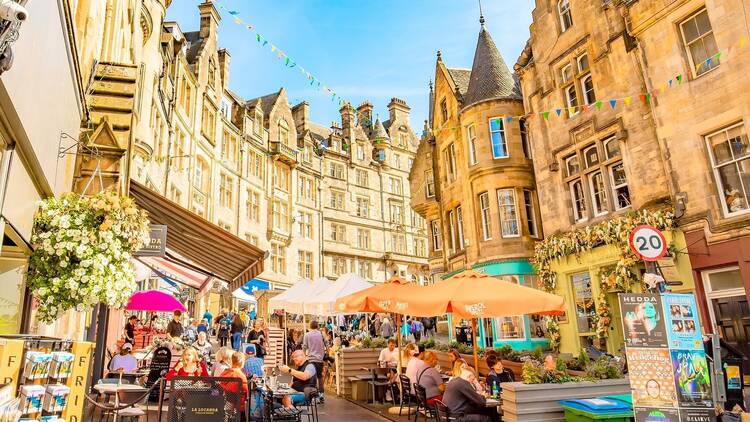
There is something irresistibly romantic about discovering a city through its food. Not the rushed, checklist-style dining that crowds social feeds, but the kind of travel where mornings begin lingering over espresso in a tucked-away café, afternoons drift through local markets scented with citrus and spice, and evenings end with candlelit dinners in neighbourhood restaurants known more by locals than guidebooks.
For travellers seeking meaningful experiences over hurried itineraries, Europe’s great foodie cities offer the perfect excuse to slow down. These are places best savoured gradually — one plate, one glass of wine, one hidden street at a time.
Inspired by the art of slow travel and culturally immersive journeys across Europe, culinary-led escapes continue to shape the modern luxury city break.
Whether you are planning a long weekend in Italy or an indulgent escape to Spain, here are some of the most unforgettable foodie city breaks in Europe for travellers who appreciate boutique stays, authentic dining, and elegant moments of discovery.
San Sebastián, Spain: Europe’s Ultimate Gourmet Escape
If food is the reason you travel, then San Sebastián belongs firmly at the top of your list.
This sophisticated Basque coastal city effortlessly blends Michelin-starred gastronomy with laid-back seaside charm. The beauty of San Sebastián lies in its contrasts — refined tasting menus one evening, standing shoulder-to-shoulder with locals over pintxos and txakoli the next.
The Parte Vieja (Old Town) becomes especially magical after dark, where tiny bars overflow with jewel-like bites layered with anchovies, jamón ibérico, wild mushrooms, and whipped salt cod.
Yet beyond the celebrated food scene, San Sebastián also rewards slower exploration. Early morning swims at La Concha Beach, scenic coastal walks along Monte Urgull, and leisurely afternoons in Belle Époque cafés create the kind of rhythm luxury travellers increasingly crave.
What to eat in San Sebastián
- Basque cheesecake
- Grilled turbot
- Gilda pintxos
- Txangurro (spider crab)
- Idiazabal cheese
Perfect for
Couples, solo luxury travellers, and food lovers wanting a sophisticated yet relaxed European city break.
Bologna, Italy: The Culinary Heart of Italy
While travellers flock to Rome, Florence, and Venice, Bologna quietly remains one of Italy’s greatest culinary treasures.
Known affectionately as La Grassa (“the fat one”), Bologna is unapologetically indulgent. Fresh tagliatelle draped in rich ragù, silky tortellini floating in broth, aged Parmigiano Reggiano, and paper-thin mortadella are not simply meals here — they are cultural rituals.
Unlike some of Italy’s more tourist-heavy destinations, Bologna retains an effortlessly local feel. Students spill into lively piazzas, hidden wine bars sit beneath terracotta porticoes, and family-run trattorias serve recipes unchanged for generations.
This is a city designed for wandering slowly. Browse independent delicatessens, linger in historic cafés, and lose yourself beneath UNESCO-listed arcades that stretch for miles.
Unmissable foodie experiences
- A traditional pasta-making class
- Aperitivo in Quadrilatero
- Exploring Mercato delle Erbe
- Day trips to Modena or Parma
Why luxury travellers love Bologna
Its understated elegance. Bologna feels authentic rather than performative — sophisticated without trying too hard.
Lyon, France: A Refined French Gastronomy Weekend


7
For travellers drawn to classic French gastronomy, Lyon offers one of Europe’s richest culinary identities.
Often considered the gastronomic capital of France, Lyon is where rustic tradition and refined dining coexist beautifully. Traditional bouchons serve deeply comforting Lyonnaise dishes while elegant Michelin-starred restaurants reinterpret regional classics with precision and artistry.
The city itself feels cinematic — Renaissance alleyways, riverside promenades, hidden traboules, and glowing terraces overlooking the Rhône.
One of the great pleasures of Lyon is how naturally food weaves into daily life. Mornings begin at boulangeries perfumed with butter and coffee; afternoons revolve around market halls bursting with oysters, charcuterie, and regional cheeses.
What to experience in Lyon
- Dining in a traditional bouchon
- Les Halles de Lyon Paul Bocuse
- Rhône Valley wine tasting
- Sunset views from Fourvière Hill
Best time to visit
Autumn is especially beautiful, when cooler evenings pair perfectly with rich seasonal dishes and local wines.
Porto, Portugal: Slow Travel with Soul


7
For travellers seeking a more relaxed and affordable luxury city break, Porto offers extraordinary value alongside genuine charm.
Perched above the Douro River, Porto moves at a slower pace than many European capitals. Life unfolds over long lunches, golden evening light, and glasses of port enjoyed beside tiled façades and historic wine lodges.
Food here feels deeply comforting and generous. Think grilled octopus, fresh sardines, creamy pastéis de nata, and indulgent francesinha sandwiches paired with robust Douro wines.
Porto also appeals to travellers who appreciate design-led boutique hotels and atmospheric spaces without excessive formality.
Don’t miss
- Port wine tastings in Vila Nova de Gaia
- Douro Valley day trips
- Seafood restaurants along the coast
- Sunset river cruises
Ideal for
Couples seeking romantic European city breaks with a slower, more intimate atmosphere.
Copenhagen, Denmark: Nordic Food Culture at Its Finest
7
For a contemporary foodie city break, Copenhagen continues to shape global dining culture.
The Danish capital balances innovation with simplicity beautifully. Michelin-starred dining sits alongside exceptional bakeries, organic wine bars, and thoughtfully curated cafés where design and atmosphere matter just as much as the food itself.
Copenhagen is ideal for travellers who enjoy intentional travel experiences — cycling between neighbourhoods, browsing independent boutiques, and discovering restaurants focused on seasonal Nordic ingredients.
Culinary highlights
- Smørrebrød tastings
- Nordic fine dining
- Danish pastries and cardamom buns
- Reffen street food market
Why it stands out
Copenhagen proves luxury travel does not need excess. Here, elegance is found in quality, craftsmanship, and simplicity.
Why Foodie City Breaks Are the Future of Luxury Travel
Today’s luxury traveller increasingly values depth over excess. The appeal of foodie city breaks lies not simply in dining well, but in connecting with a destination through its culture, traditions, and local rituals.
Slow travel philosophies continue reshaping how people experience Europe — encouraging longer stays, more meaningful connections, and immersive local experiences rather than rushed sightseeing.
The most memorable journeys are rarely about ticking off landmarks. They are about discovering the tiny wine bar you almost walked past, the family-run bakery you return to every morning, or the conversation shared over a beautifully cooked meal.
Because ultimately, the best way to understand a city is to taste it.
Frequently Asked Questions About Foodie City Breaks in Europe
What is the best foodie city break in Europe?
The best foodie city break in Europe depends entirely on the type of culinary experience you are seeking. For Michelin-starred dining and refined gastronomy, San Sebastián is often considered Europe’s culinary capital. Bologna is ideal for travellers wanting authentic Italian comfort food and traditional cuisine, while Lyon offers classic French gastronomy in an elegant setting.
For wine lovers and slower-paced luxury escapes, Porto remains one of Europe’s most rewarding destinations.
Which European city has the best local food culture?
Cities with the strongest local food cultures tend to combine tradition, regional ingredients, and community-focused dining. Bologna, Lyon, and Porto all excel because food is deeply woven into everyday life rather than designed purely for tourism.
Markets, family-run restaurants, neighbourhood cafés, and seasonal cooking all contribute to a more authentic culinary experience.
Are foodie city breaks suitable for luxury travellers?
Absolutely. Food-led travel has become one of the defining trends in modern luxury tourism. Today’s luxury traveller increasingly values immersive experiences, authentic local culture, and meaningful moments over traditional extravagance.
Boutique hotels, private food tours, vineyard experiences, Michelin-starred dining, and slow travel itineraries all elevate the foodie city break into a sophisticated luxury escape.
What is the best time of year for a foodie city break in Europe?
Spring and autumn are often considered the best seasons for foodie city breaks across Europe.
- Spring offers quieter cities, fresh seasonal produce, and pleasant temperatures.
- Autumn brings wine harvests, truffle season, and richer regional dishes ideal for culinary travel.
Summer can be vibrant but busier and significantly hotter in southern Europe.
How many days do you need for a foodie city break?
A well-planned foodie city break typically works best over three to five days. This allows enough time to experience local restaurants, markets, cafés, wine bars, and cultural attractions without rushing.
Slow travel is particularly important for culinary-focused trips, as the experience is often about atmosphere and discovery rather than packed itineraries.
Which European cities are best for wine and food experiences?
Some of Europe’s best destinations for combining wine and food include:
- Porto, Portugal
- Bordeaux, France
- San Sebastián, Spain
- Florence and Bologna, Italy
- Lyon, France
Many of these cities also offer nearby vineyard regions, making them perfect for extended luxury escapes.
Are foodie city breaks expensive?
Foodie travel can be tailored to almost any budget. While cities like Copenhagen and San Sebastián are known for luxury dining, destinations such as Porto and Bologna often offer exceptional food experiences at more accessible prices.
In many European cities, some of the most memorable meals are found in simple local trattorias, wine bars, and market eateries rather than fine dining restaurants.
What should you pack for a foodie city break?
For stylish yet practical European culinary travel, consider packing:
- Comfortable walking shoes
- Elegant casual evening wear
- A lightweight jacket or blazer
- Crossbody bag for market exploring
- Room in your suitcase for local delicacies and wine
Many foodie destinations are best explored on foot, particularly historic old towns and market districts.
Why are foodie holidays becoming so popular?
Travellers increasingly want experiences that feel personal, immersive, and culturally rich. Food provides a natural connection to local traditions, history, and community.
Rather than simply seeing a destination, culinary travel allows people to experience it through taste, conversation, atmosphere, and ritual — creating more memorable and emotionally meaningful journeys.
Planning Your Own Foodie Escape?
Whether you are dreaming of pintxos in Spain, pasta in Italy, or wine-soaked evenings in Portugal, Europe’s foodie cities reward travellers who slow down and savour the experience properly.
For thoughtfully curated luxury travel inspiration and elegant European escapes, speak to one of our travel experts