Stuck for ideas this bank holiday?
There's a particular kind of magic to the last long weekend of summer — that final stretch before the school run resumes and autumn starts creeping into the evenings. But if the thought of fighting crowds through an airport departure lounge (Cirium data points to Friday 28 August as one of the busiest UK departure days of the year) fills you with dread rather than excitement, you're not alone.
The trick, as ever, is knowing where not to go. Steer clear of the obvious hotspots — the Amsterdams, the Palmas, the Algarve's busiest strips — and there's still a version of the last hurrah of summer that feels unhurried, personal and a little bit secret. That's very much our idea of a good trip: not the destination everyone else has already found, but the one that feels like it was found for you.
Here are ten places we'd point our clients towards this Bank Holiday, if a quieter final flourish of summer is what you're after.
Ariège, Southern France
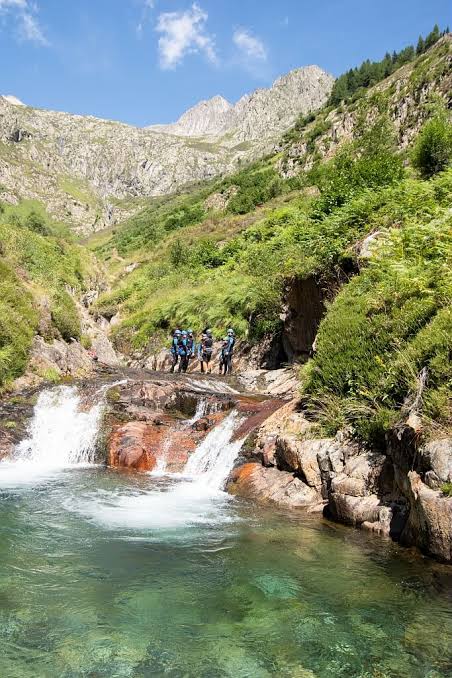
Tucked against the Spanish border in the foothills of the Pyrenees, Ariège is one of France's least-visited departments — all rushing rivers, hiking trails and castle-topped hills, with barely a crowd in sight. The departmental capital, Foix, has a hilltop château and a medieval old town that feels a world away from nearby Toulouse. For something even quieter, Camon and Mirepoix are two of the region's officially designated "most beautiful villages," with timbered houses, covered walkways and none of the queues you'd find at their more famous Provençal cousins. Late August brings warm, golden days without the peak-summer swelter — perfect for long lunches on shaded terraces.
What to do: Climb up to Foix's hilltop château for the view over the Ariège valley, then lose an afternoon wandering the spiral streets and covered walkways of Mirepoix. For something more active, the Regional Natural Park's trail network is superb for gentle half-day walks past waterfalls and old stone bridges — no need for serious hiking kit.
Where to eat: Look for a market-day lunch in Mirepoix, where farmers set up beneath the arcades and restaurants build their menus around whatever's just arrived. In Foix, a riverside terrace with duck, cassoulet or a simple plate of local cheese is the order of the day — this is proper south-west French cooking, unpolished and generous.
The Oslofjord Islands, Norway
Norwegian schools are back by mid-August, which leaves Oslo's fjord islands wonderfully hushed for the rest of the month. A short ferry hop from the city centre delivers you to a scatter of islets — some with sandy coves and forest trails, others dotted with candy-coloured cabins or the ruins of a medieval abbey. It's the kind of understated, nature-led escape that rewards slow travel: hop between islands by ferry, swim where the locals swim, and end the day back in the city with a proper Nordic dinner.
What to do: Take the public ferry from Aker Brygge and island-hop for the day — Hovedøya has abbey ruins and forest trails, while Lindøya's brightly painted cabins make for a lovely wander. Pack swimwear; the jetties around the islands are where Oslo locals cool off in summer.
Where to eat: Back on the mainland, Aker Brygge and the Tjuvholmen waterfront are full of seafood restaurants built around the harbour view — a plate of fresh prawns or a classic Norwegian fish soup is hard to beat after a day on the water. For something more low-key, the food halls near Youngstorget are a good spot for an easy, informal dinner.
The Ligurian Riviera di Ponente, Italy
Everyone knows the Cinque Terre. Fewer make it to the string of towns along Italy's north-western coast between Genoa and the French border — and that's rather the point. Sanremo's yacht-lined marina, Bordighera's belle époque villas, and the spired old town of Albenga all have the charm of the Italian Riviera without the elbow-to-elbow crowds. Head just inland to the Val Nervia, sometimes called the "Little Dolomites," for cooler air, quiet trails and a very different pace entirely.
What to do: Wander the caruggi — the tight, winding lanes of Sanremo and Finale Ligure's old towns — then walk the seafront promenade at golden hour. Inland, the Val Nervia is worth a half-day trip for its medieval hilltop villages and a genuinely different pace of life just a short drive from the coast.
Where to eat: This is the home of pesto, focaccia and trofie pasta, so keep it simple — a family-run trattoria in Bordighera or Albenga will do it better than anywhere fancier. Look out for fresh anchovies, stuffed courgette flowers, and a chilled glass of local Vermentino on a terrace overlooking the water.
The Alentejo, Portugal
While the Algarve fills up, the vast Alentejo region just to its north stays wonderfully under the radar — despite taking up more than a third of the country. It offers two distinct escapes in one: a wild, cliff-backed Atlantic coastline around Sines, and a golden, historic hinterland around the Unesco-listed city of Évora, Europe's Capital of Culture for 2027. Between the two, you could easily build a few days by the sea and a few among vineyards, whitewashed villages and one of Europe's largest dark sky reserves.
What to do: Spend a morning exploring Évora's Roman temple and cathedral, then head out to the surrounding countryside for a wine estate tour — the Alentejo is one of Portugal's most exciting wine regions and far less crowded than the Douro. On the coast, the cliffs between Sines and Zambujeira do Mar are made for a slow, scenic walk, and the region's dark sky reserve around Alqueva Lake is worth staying up for.
Where to eat: Alentejo cooking is hearty and rustic — think black pork, bread-based açorda soup and migas alongside the region's excellent wines. A family-run adega (wine tavern) in or around Évora is the classic choice; on the coast, go for whatever's been caught that morning, simply grilled.
Aarhus and the Odder Coast, Denmark
Denmark's second city empties out as soon as the new term starts in mid-August, leaving its harbour baths, botanical gardens and old-town lanes refreshingly calm. Beyond the centre, a run of pastel-toned beaches stretches south towards Moesgård and Hou — easily reached by local bus, and a world away from anything resembling a crowd.
What to do: Swim at the Havnebadet harbour bath in the centre of town, then wander the Latin Quarter's cobbled lanes and independent shops. For a quieter beach day, take the bus south towards Moesgård or all the way to Hou, where the coastline is far less busy than closer to the city.
Where to eat: Aarhus has a genuinely excellent New Nordic food scene without Copenhagen's price tag — look for a relaxed bistro serving smørrebrød (open sandwiches) for lunch, and save the evening for something a little more considered. The harbourfront food market is a good bet if you'd rather graze than sit down.
Graz, Austria
If Vienna is Austria's headline act, Graz is its quieter, equally accomplished understudy — a Unesco World Heritage old town, a glass funicular up to the castle hill, and a main square where restaurant tables spill lazily onto the cobbles. It's also prime vineyard territory, with more than eighty producers within easy reach offering tastings and terrace lunches. For an active day out, there's a summer toboggan run on the nearby Schöckl mountain.
What to do: Ride the glass funicular up to the Schlossberg for views across the rooftops, then spend the afternoon among the vineyards just outside the city — many offer tastings paired with a light lunch on the terrace. If you're travelling with energetic company, the summer toboggan run on Schöckl mountain is a fun half-day out.
Where to eat: Grab a table in the main Hauptplatz square and watch the city go by over a plate of Styrian classics — pumpkin seed oil turns up in everything from salads to ice cream here, and it's worth seeking out. A vineyard buschenschank (wine tavern) serving cold cuts, cheese and their own wine is the quintessential Graz afternoon.
Dalsland, West Sweden
A couple of hours from Gothenburg, Dalsland is one of Sweden's least populated provinces — all lakes, forests and canoe-friendly waterways, with over a quarter of the region covered in water. It's a place built for slowing right down: cycling and hiking trails wind through the countryside, and for something memorable, you can even hire a floating cabin and cruise it around the lake by motorboat for the night.
What to do: Canoe or kayak a stretch of the Dalsland Canal, cycle one of the forest trails, or — for something genuinely different — hire a floating cabin near Bengtsfors and spend a night moored on Lelång Lake. It's about as far from a typical Bank Holiday as you can get.
Where to eat: This is simple, ingredient-led Swedish cooking — smoked fish, foraged mushrooms and berries, and plenty of fika (coffee and cake breaks) along the way. Look for a lakeside café for lunch and, if you're staying on the water, a barbecue on your own cabin deck for dinner.
Cantabria, Northern Spain
Skip the Costas entirely and head for Spain's wild, green north coast instead. Cantabria has dramatic cliffs, surf beaches and a scattering of fishing villages that feel more Atlantic than Mediterranean — Santillana del Mar and Comillas are both beautifully preserved without the tourist crush of the south. Inland, the Picos de Europa mountains rise up sharply, offering cooler air and proper walking country within an hour's drive of the coast. Santander itself is a graceful, low-key city, with a Belle Époque waterfront that rewards a lazy afternoon far more than it demands one.
What to do: Wander the medieval streets of Santillana del Mar, then head inland for a half-day walk in the Picos de Europa — the Cares Gorge trail is spectacular without being punishing. Back on the coast, Santander's Sardinero beach and waterfront promenade are made for an easy afternoon.
Where to eat: Cantabria is serious seafood country — anchovies, rabas (fried squid) and the region's famous seafood stews are all worth seeking out in the fishing villages. Inland, look for cocido montañés, a hearty mountain stew, especially if the weather turns cooler in the hills.
The Julian Alps, Slovenia
Lake Bled tends to get the attention, but the wider Julian Alps region stays remarkably calm even in peak season. Base yourself near Lake Bohinj — quieter, wilder and ringed by mountains — for gorge walks, waterfalls and turquoise water without the crowds that gather around Bled's postcard island. Triglav National Park offers some of Europe's most rewarding late-summer hiking, and the food and wine scene in nearby towns like Radovljica has quietly become one of the region's best-kept secrets.
What to do: Swim or paddle in Lake Bohinj's clear water, then walk to the nearby Savica Waterfall — one of Slovenia's most beautiful and far less crowded than anything around Bled. Triglav National Park has trails for every ability, from gentle valley walks to proper mountain hikes.
Where to eat: Slovenian food blends Alpine, Italian and Balkan influences, so expect anything from hearty mountain dishes to excellent local wine and fresh trout straight from the lake. Radovljica's old town has a handful of lovely small restaurants worth building an evening around, and it's also known for its honey and gingerbread traditions.
Zeeland, Netherlands
Most people picture canals and tulip fields when they think of the Netherlands — Zeeland is neither. This south-western province is a patchwork of islands, dunes and long, wide beaches, laced together by causeways and cycle paths. It's a proper slow-travel destination: hire bikes, ride between fishing villages like Veere and Zierikzee, and finish the day with fresh mussels by the harbour. With Dutch schools back by early September, late August still has a genuinely local, unhurried feel.
What to do: Hire bikes and ride the cycle paths between Veere and Zierikzee, stopping at whichever harbour looks most inviting. The wide, dune-backed beaches along the coast are excellent for a long walk, and Veere's fortified old town is worth an hour or two on its own.
Where to eat: Zeeland is Dutch mussel country, and late summer is a good time to find them at their best — a harbourside restaurant in Yerseke or Veere serving them simply, with bread and a cold glass of white, is the local ritual. Zeeuwse bolus (a sticky cinnamon bun) is the region's answer to afternoon tea.
Fancy a quieter finish to the summer?
Every one of these escapes can be tailored around exactly how you like to travel — whether that's a countryside villa in Ariège, a city stay in Graz with vineyard day trips, or a coastal-and-countryside combination through the Alentejo. As independent travel specialists, we'll take care of the flights, the stay and the details that make a trip feel effortless, all fully ATOL and PTS protected.
Get in touch and let's find your own chance encounter with something wonderful this Bank Holiday.